
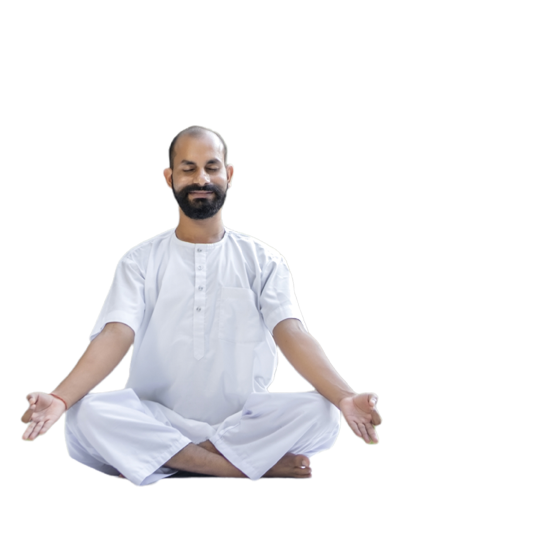
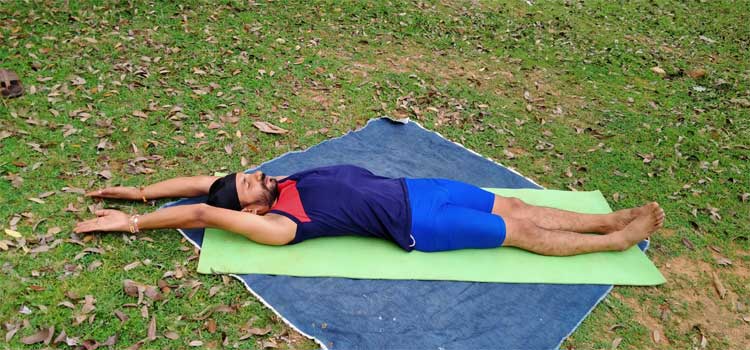
Why is there so much focus on the breath in yoga?
It is said that if you breathe 15 times per minute, you will live to 75 or 80 years. If you breathe 10 times per minute you will live to 100. The speed at which you breathe will dictate the length of life. If you breathe fast, your life will be shortened. This is why dogs have short lives.
CONSCIOUS BREATHING :
We are continually instructed to “breathe consciously” when we are in yoga class. Breathing consciously is the essence of yoga as it assists us in connecting with the subtle energy within. It is through the breath that we are able to navigate different levels of consciousness. Moreover, breathing consciously has a biological effect on our mental, emotional, and physical state.
Firstly, connecting with your breath is a method for being present. When you concentrate on each aspect of the breathing process, you are present; you let go of the past and future and are focused on the moment inside the breath. This is why breathing consciously is its own meditation. But this is just the beginning of why conscious breathing is important.
When you breathe consciously you activate a different part of your brain. Unconscious breathing is controlled by the medulla oblongata in the brain stem, the primitive part of the brain, while conscious breathing comes from the more evolved areas of the brain in the cerebral cortex. So conscious breathing stimulates the cerebral cortex and the more evolved areas of the brain. Consciously breathing sends impulses from the cortex to the connecting areas that impact emotions. Activating the cerebral cortex has a relaxing and balancing effect on the emotions. In essence, by consciously breathing, you are controlling which aspects of the mind dominate, causing your consciousness to rise from the primitive/instinctual to the evolved/elevated.
CONTROLLING THE BREATH :
By changing the breathing pattern, you can produce different states of mind. Slowing down the breath has an impact on your emotional state. The cerebral cortex is activated through consciously slowing down the release of breath. Then the cerebral cortex sends inhibitory impulses to the respiratory center in the midbrain. These inhibitory impulses from the cortex overflow into the area of the hypothalamus, which is concerned with emotions, and relax this area. This is why slowing down the breath has a soothing effect on your emotional state.
CHANNELS OF SUBTLE ENERGY :
Breath controls the body, mind, and emotions. There are 72,000 nadis, or channels where the subtle energy flows throughout the body. Of the 72,000, there are 3 that are the most important: Ida, Pingala, and Sushumna.
The Ida Nadi begins at the Muladhara Chakra, courses through the chakras and ends in the left nostril. Ida is aligned with the moon energy and has a calming and cooling effect.
The PingalaNadi originates at the Muladhara Chakra, courses through the chakras and ends in the right nostril. It is associated with the sun energy and has a heating effect.
The SushumnaNadi is the central channel. This is the nadi that the Kundalini energy travels. It is associated with balance.
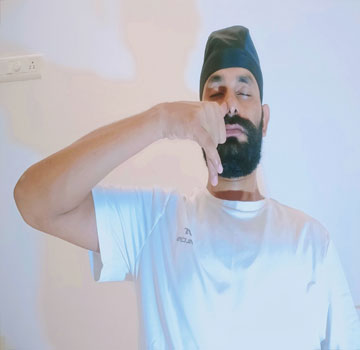
During the course of the day, the left and right nostril alternate in which one dominates. This is accomplished through erectile tissue in the nasal passage that inflates with blood to cut off, or reduce the flow of air. One of the nostrils will dominate based on your mental, emotional, and physical state. They alternate throughout the day. As they change over, the Sushumna is activated, but only for a couple minutes. The key is to activate Sushumna for a longer period of time. This is accomplished when both the Ida and Pingala are flowing evenly.
A yogi measures the span of life by the number of breaths, not by the number of years. -Swami Sivananda.


Yogiclavkush
Senior Yoga Teacher.
In the Western culture, Hatha yoga is typically understood as asanas and it can be practiced as such. In the Indian and Tibetan traditions, Hatha yoga is much more. It extends well beyond being a sophisticated physical exercise system and integrates ideas of ethics, diet, cleansing, pranayama (breathing exercises), meditation and a system for spiritual development of the yogi.
Popular Posts

Paranayama
Feature

Meditation
Feature
CLASSICAL HATHA YOGA
Feature

Ayurveda
02 Hours ago

Diet(Mitahar):
Feature