

Hathapradīpikạ̄
In India hatha yoga is associated in popular tradition with the 'jogis' of the NathSampradaya through its mythical founderMatsyendranath. Matsyendranath, also known as Minanath or Minapa in Tibet, is celebrated as a saint in both Buddhist and Hindu tantric and hatha yoga schools. However, James Mallinson associates hatha yoga with theDashanamiSampradaya and the mystical figure of Dattratreya According to the Dattatreya Yoga Śastra, there are two forms of hatha yoga: one practiced by Yajanvalkyaconsisting of the eight limbs of ashtanga yoga and another practiced by kapila consisting of eight Mudras. Currently, the oldest dated text to describe hatha yoga, the Amṛtasiddhi, comes from a tantric Buddhist milieu.The oldest texts to use the actual verbiage of hatha are also Vajrayana Buddhist.
According to Mallinson, some Hatha Yoga techniques can be traced back to the epics and the Pali canon The Pali canon contains three passages in which the Buddha describes pressing the tongue against the palate for the purposes of controlling hunger or the mind, depending on the passage. However, there is no mention of the tongue being inserted into the nasal pharynx as in true Kechari mudra The Buddha used a posture where pressure is put on the perineum with the heel, similar to even modern postures used to stimulate Kundalini. Essence of life that was constantly dripping down from the head and being lost.[1]:770 These techniques sought to either physically reverse this process (by headstand postures like the viparītakaraṇī) or to use the breath to force bindu upwards through the central channel Other texts like the Vivekamārtaṇḍa, Goraksaśatakạ and Khecarīvidyā also teach the raising of Kundilini The aims of these practices were siddis (supranormal powers such as levitation) and mukti (liberation). The only other texts older than the Hathapradīpikạ̄ to teach Hatha Yoga ̣ mudrās are the Shiva shahita.
Hatha Yoga Pradipika lists 35 great yoga siddhas starting with Adinath(Hindu god Shiva) followed by Matsyendranath and Gorakshanath. It includes information about Shatkarma (six acts of self-purification), 15 asana (postures: seated, laying down, and non-seated), pranayama (breathing) and kumbhaka (breath retention), mudras (internalized energetic practices), meditation, chakras (centers of energy), kundlini, nadanusandhana (concentration on inner sound), and other topics. Hathapradipika is the best known and most widely used Hatha yoga text. It consists of 389 shloka (verses) in four chapters:
Hatha Yoga Pradipika lists 35 great yoga siddhas starting with Adinath(Hindu god Shiva) followed by Matsyendranath and Gorakshanath. It includes information about Shatkarma (six acts of self-purification), 15 asana (postures: seated, laying down, and non-seated), pranayama (breathing) and kumbhaka (breath retention), mudras (internalized energetic practices), meditation, chakras (centers of energy), kundlini, nadanusandhana (concentration on inner sound), and other topics. Hathapradipika is the best known and most widely used Hatha yoga text. It consists of 389 shloka (verses) in four chapters: Hathapradipika is the best known and most widely used Hatha yoga text. It consists of 389 shloka (verses) in four chapters:
- Chapter 1 with 67 verses deals with setting the proper environment for yoga, ethical duties of a yogi, and asanas (postures).
- Chapter 2 with 78 verses deals with the pranayama (breathing exercises, control of vital energy within) and the satkarmani (body cleansing).
- Chapter 3 with 130 verses discusses the mudras and their benefits.
- Chapter 4 with 114 verses deals with meditation and samadhi as a journey of personal spiritual growth.
In the 20th century, hatha yoga, particularly Asana (the physical postures), became popular throughout the world as a form of physical exercise and is now colloquially termed simply as "yoga."
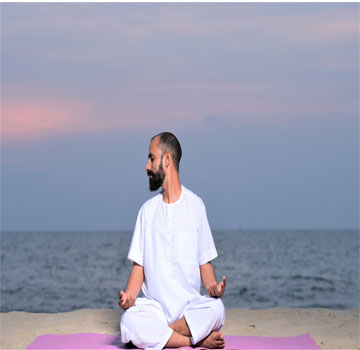
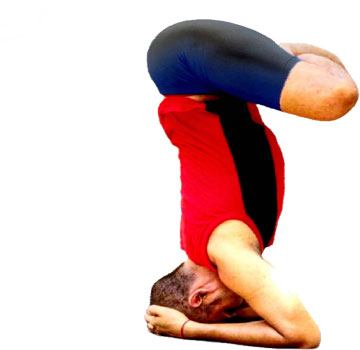
Hatha yoga practice has many elements, both behavioral and of practice. The Hatha yoga texts state that a successful yogi has certain characteristics. Section 1.16 of the Hatha Yoga Pradipika, for example, states these characteristics to be utsaha (enthusiasm, fortitude), sahasa (courage), dhairya (patience), jnanatattva (essence for knowledge), nishcaya (resolve, determination) and tyaga (solitude, renunciation).
In the Western culture, Hatha yoga is typically understood as asanas and it can be practiced as such. In the Indian and Tibetan traditions, Hatha yoga is much more. It extends well beyond being a sophisticated physical exercise system and integrates ideas of ethics, diet, cleansing, pranayama (breathing exercises), meditation and a system for spiritual development of the yogi.


Yogiclavkush
Senior Yoga Teacher.
In the Western culture, Hatha yoga is typically understood as asanas and it can be practiced as such. In the Indian and Tibetan traditions, Hatha yoga is much more. It extends well beyond being a sophisticated physical exercise system and integrates ideas of ethics, diet, cleansing, pranayama (breathing exercises), meditation and a system for spiritual development of the yogi.
Popular Posts

Paranayama
Feature

Meditation
Feature
CLASSICAL HATHA YOGA
Feature

Ayurveda
02 Hours ago

Diet(Mitahar):
Feature